Almost everything you own spent some part of its life inside a steel box. The shirt you are wearing, the phone in your pocket, the coffee in your cup and many of the parts in your car crossed an ocean in a shipping container. When the cost of moving those boxes changes, the price of almost everything follows, usually a few months later.
The box that changed the world
Before containers, loading a ship was slow, expensive work. Goods were carried on board in sacks, crates and barrels, one at a time, by teams of dock workers. A ship could spend a week in port being loaded.
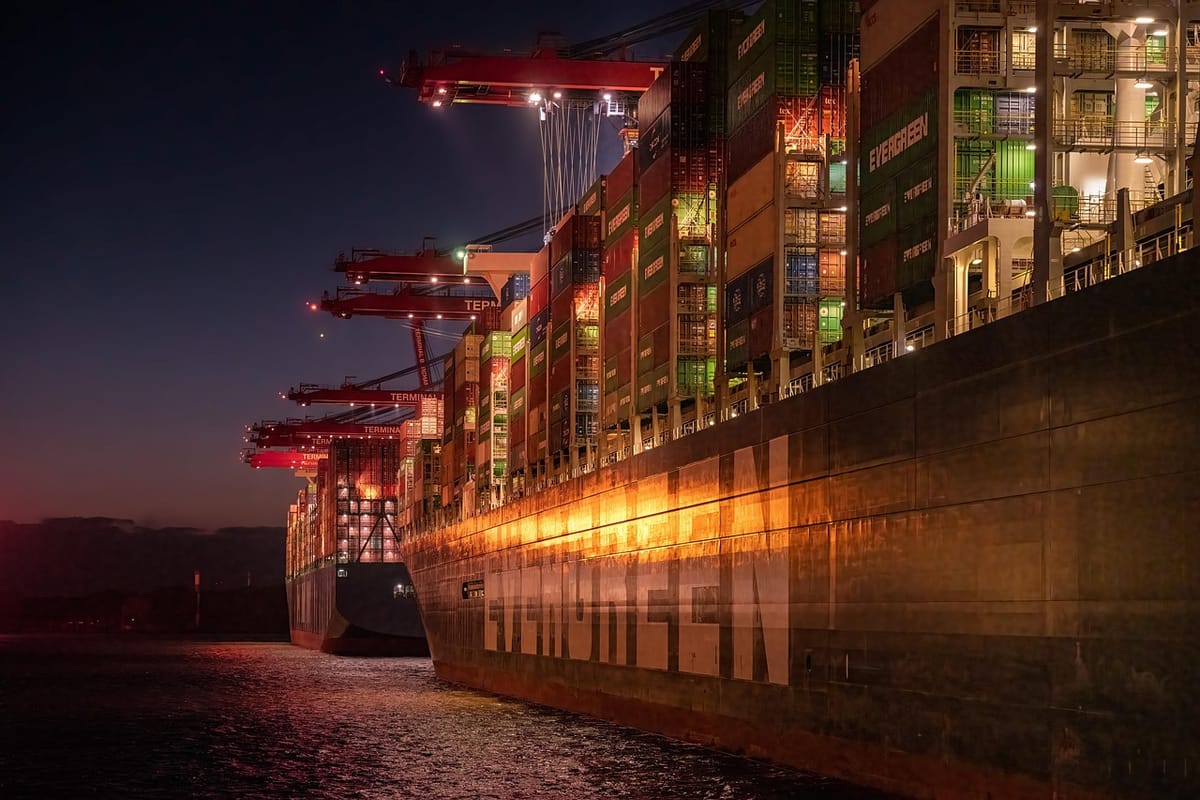
The shipping container changed all of that. A standard steel box, the same size everywhere, could be lifted from a truck onto a ship by a crane in minutes, carried across an ocean and lifted onto a train at the other end, without anyone touching what was inside. The cost of moving goods around the world fell dramatically, and global trade grew with it.
The container did not just make shipping cheaper. It made distance almost irrelevant to the price of things.
Daniel Okafor
Why shipping costs are usually tiny
Today, shipping is so efficient that it adds very little to the price of most goods. Moving a pair of trainers across the world in a container might cost well under a dollar. A television might cost a few dollars. For most products, the cost of shipping is lost in the price of the materials, the labour, the shop's rent and the brand.
That is why most people never think about shipping at all, until something goes wrong.

When the chain breaks
Shipping is a chain, and it is only as strong as its weakest link. A blocked canal, a busy port, a storm, a shortage of empty containers in the right place or a sudden jump in demand can all cause delays. Because ships run on tight schedules, a delay in one port can ripple around the world for months.
When that happens, the price of shipping a container can rise very sharply, sometimes several times over in a matter of weeks. Businesses then face a difficult choice: pay much more to move their goods, wait for prices to fall or find another way.
How it reaches your shopping
When shipping costs rise, the effect on prices is delayed and uneven.
- Cheap, bulky goods feel it most. For furniture or garden equipment, shipping is a bigger share of the price, so increases pass through faster.
- Stock on shelves hides it for a while. Shops sell what they already have before new, more expensive stock arrives.
- Some businesses absorb it. Big retailers may accept lower profits for a time rather than raise prices.
- Shortages can matter more than costs. When goods simply do not arrive, prices can rise because there is less to buy.
Why economists watch it
Because shipping costs change quickly and affect prices months later, economists and central banks watch them closely as an early warning. A steady rise in the cost of moving containers can signal price rises ahead. A fall can signal the opposite. It is one of many pieces of evidence rate-setters look at.
A world of ports
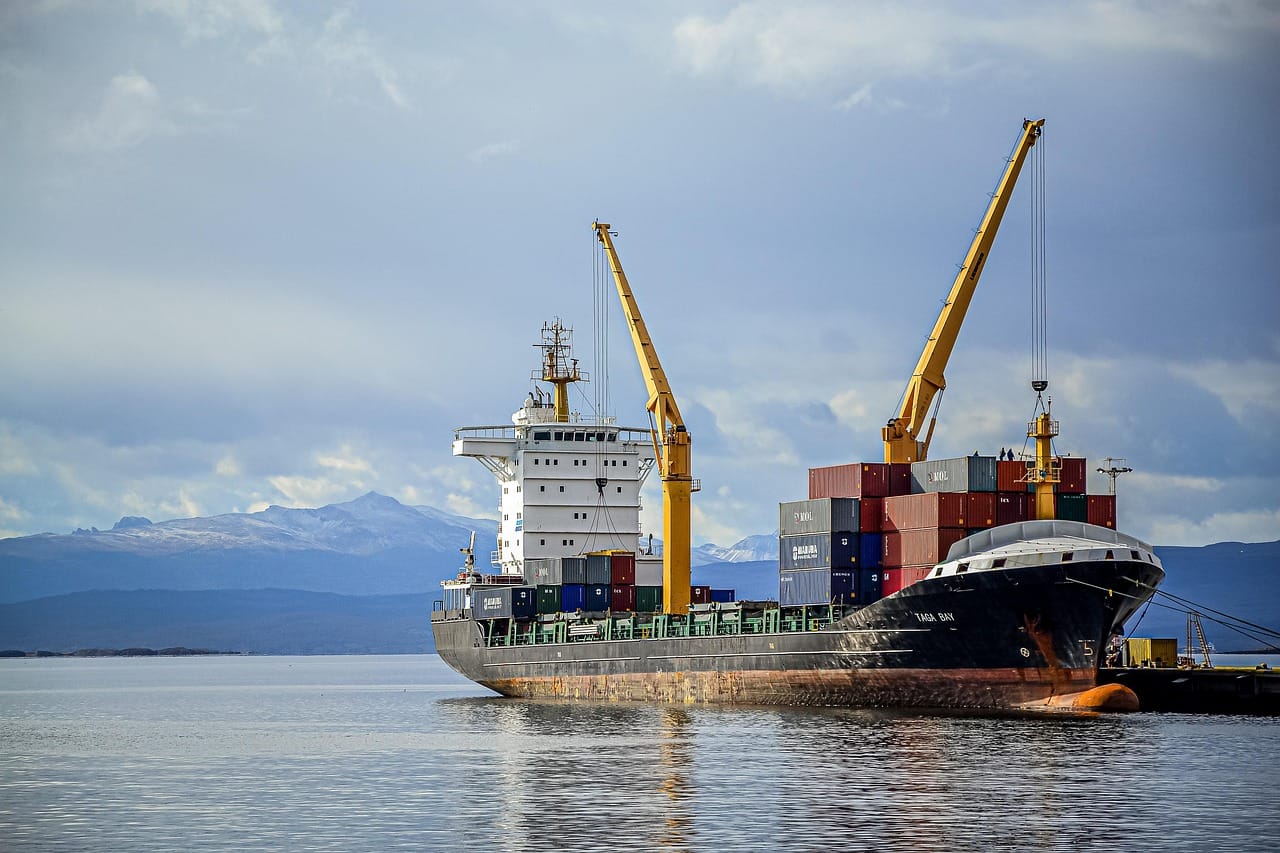
A few very large ports handle a big share of the world's container traffic. They are among the most automated places on earth, with giant cranes that can lift a container every minute or two and computer systems that plan exactly where every box goes on every ship. The largest ships are so big that only a handful of ports in the world can handle them.
This concentration makes the system efficient and fragile at the same time. When one of the busiest ports slows down, because of a storm, a strike or a sudden surge in demand, ships queue outside, schedules slip and empty containers end up in the wrong places around the world.
Nearer to home
In recent years, some businesses have started moving part of their production closer to their customers, partly to reduce the risk of long, fragile supply chains. It usually costs more, but it can be more reliable. Economists are still debating how far this trend will go.
The bottom line
Shipping is the hidden infrastructure of modern life. It is so efficient that we forget it exists, and so connected that a single problem can be felt in shops across the world. The next time a product is out of stock, or suddenly more expensive, there is a fair chance that part of the story began on a quay on the other side of the planet.